
MySRD Checker
MySRD Checker
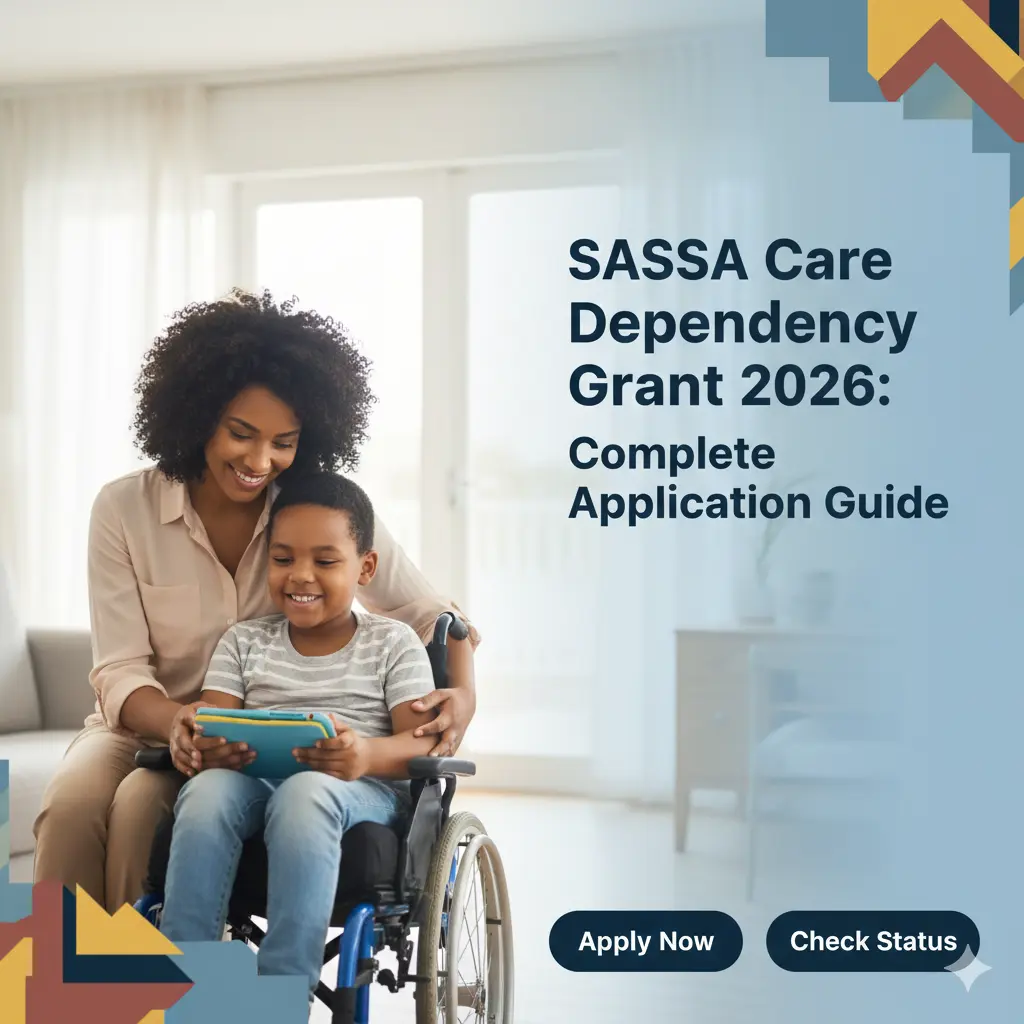
Thembi’s daughter, Lerato, was born with cerebral palsy. At six years old, Lerato needs constant care. Thembi can’t work because Lerato requires 24-hour attention. The family struggled financially until Thembi discovered the Care Dependency Grant.
Thank you for reading this post, don't forget to subscribe!This grant changed everything. Thembi now receives R2190 monthly to help care for Lerato. The money covers medical supplies, special food, and therapy sessions. But getting approved wasn’t easy.
This guide shows you exactly how to apply for the Care Dependency Grant in 2026. You’ll learn who qualifies, what documents you need, and how to avoid common rejection reasons. No confusing jargon. Just practical steps that work.
If you also receive the Child Support Grant, read our complete sassa foster child grant to understand how both grants can be combined legally.
The Care Dependency Grant (CDG) supports caregivers of children with severe disabilities. a child who needs permanent home care.
The child must be between birth and 18 years old. They must require full-time care because SASSA pays R2190 monthly as of 2026. This grant helps cover the extra costs of caring for physical or mental disability. A medical assessment proves the disability is severe and permanent.
This grant differs from the Child Support Grant. CSG goes to any child under 18 in a low-income household. CDG specifically targets children with disabilities who need constant care. You can receive both grants simultaneously if eligible.
The grant continues until the child turns 18. At that point, they may qualify for the Disability Grant instead. SASSA automatically reviews eligibility every year through medical reassessments.
Both the caregiver and the child must meet specific requirements. SASSA checks each criterion carefully. Missing one requirement causes automatic rejection.
The child must be under 18 years old. They need a South African ID number or birth certificate. The disability must be severe and permanent. This means the child requires full-time care and cannot attend regular school without extensive support.
Medical conditions that typically qualify include cerebral palsy, severe autism, Down syndrome with complications, profound intellectual disability, severe epilepsy, muscular dystrophy, and severe congenital conditions. A medical professional must confirm the child cannot care for themselves.
The applicant acting as caregiver must be a citizen, permanent resident, or refugee in South Africa.You need a valid ID document. The child must live with you permanently. SASSA verifies this through home visits.
You don’t need to be the biological parent. Grandparents, aunts, uncles, or legal guardians qualify. Foster parents also qualify if they have official foster care documents. The key is providing full-time care in your home.
Your household income must fall below SASSA thresholds. For single caregivers, the limit is R53,640 annually. For married couples, it’s R107,280 annually. SASSA calculates this using all household income including salaries, business income, rental income, and other grants.
Assets also count in the means test. Single caregivers cannot own assets exceeding R1,401,600. Married couples cannot exceed R2,803,200. Assets include property, vehicles, investments, and savings. Your primary residence doesn’t count.
The grant pays R2190 per month as of April 2026. SASSA deposits this amount monthly into your bank account or through alternative payment methods. The amount increases annually based on government budget allocations.
Payment happens on the first of each month typically. Bank transfers arrive fastest. Cash Send vouchers follow within 2-3 days. Post Office collections take the longest, sometimes up to a week.
You can receive the Care Dependency Grant and Child Support Grant together. The total would be R2740 monthly (R2190 CDG + R550 CSG). Both serve different purposes. CSG covers basic child needs. CDG covers extra disability-related costs.
The grant continues automatically each month. You don’t reapply monthly. SASSA conducts annual medical reviews. If the child’s condition improves significantly, the grant may stop. Permanent disabilities rarely face cancellation.
Gathering correct documents before applying saves months of delays. SASSA requires original documents and certified copies. Here’s exactly what you need.
Medical reports must be specific. The doctor should describe the disability clearly. Include the diagnosis, treatment history, and why the child needs permanent care. Generic letters get rejected.
The medical assessment determines if your child qualifies. This step confuses most applicants. Understanding the process increases approval chances significantly.
You cannot choose any doctor. SASSA requires assessment from specific medical professionals. District surgeons, pediatricians, neurologists, or specialists treating your child qualify. General practitioners cannot complete the assessment form.
The assessment form asks detailed questions about the child’s abilities.
Bring all medical records to the assessment. Hospital discharge summaries, therapy reports, specialist letters, and medication lists strengthen your case. The doctor needs complete information to assess properly.
Some conditions require additional assessments. SASSA may request occupational therapy reports, speech therapy evaluations, or psychological assessments. Provide these promptly. Delays in submitting documents cause application rejections.
Applications happen in person only. No online applications exist for Care Dependency Grant. Visit the nearest SASSA branch, ensuring you have the required paperwork.
Arrive early. SASSA offices get crowded quickly. Morning appointments finish faster. Bring the child if possible. Officers sometimes want to see the child briefly.
The SASSA officer reviews your documents. They complete the application form with you. Answer questions honestly. False information causes permanent disqualification from all SASSA grants.
You receive a receipt with a reference number. Keep this safe. Use it to check your application status. The officer explains what happens next and approximate processing times.
SASSA schedules a home visit within 30 days. A social worker verifies you live with the child. They check living conditions and confirm the information you provided. Be home during business hours to avoid delays.
You can also check our full SASSA office application guide to prepare before visiting your nearest branch.
Care Dependency Grant applications take 60-90 days typically. Complex medical cases take longer. The process involves multiple verification steps.
SASSA verifies your documents with Home Affairs first. Then they check income with SARS. Medical assessments go to specialist panels for review. Social workers complete home visits. Finally, a SASSA manager approves or declines.
Don’t call SASSA repeatedly. This doesn’t speed up processing. Wait at least 60 days before following up. Patience is essential.
For faster updates, read our guide on how to check your SASSA grant status step by step.
Understanding rejection reasons helps you apply correctly the first time. These are the most common problems.
Missing home visit: Nobody was home when the social worker visited. Solution: Stay available during business hours for 30 days after applying. Leave a contact number.
Declined applications can be appealed. You have 90 days from the decline date. Appeals often succeed if you provide additional evidence.
Appeals take 60-90 days minimum. A different panel reviews your case. They consider all evidence including new documents. The decision is final. If declined again, you must wait 3 months before reapplying.
SASSA reviews every Care Dependency Grant annually. This ensures children still qualify. The process starts automatically.
Permanent disabilities like cerebral palsy rarely get cancelled. Developmental delays sometimes improve. If your child’s condition improves significantly, be honest. SASSA may approve transition to regular Child Support Grant instead.
Yes, as long as your total household income stays below the threshold. Many caregivers work part-time. Just ensure your annual income doesn’t exceed R53,640 if single or R107,280 if married.
The Care Dependency Grant stops automatically. Your child should apply for the Disability Grant instead. The disability must still be severe and permanent. The means test applies to the child’s income only.
Yes. Grandparents qualify if they provide full-time care. You need proof the child lives with you permanently. Bring documents showing you’re the primary caregiver.
Yes. Grandparents qualify if they provide full-time care. You need proof the child lives with you permanently. Bring documents showing you’re the primary caregiver.
Yes. Attending special school doesn’t disqualify your child. The key is needing full-time care at home. SASSA focuses on care requirements outside school hours.
Yes. Apply separately for each child. Each application gets assessed independently. You could receive R4380 monthly (R2190 × 2) plus Child Support Grants.
The Care Dependency Grant provides essential financial support for families caring for children with disabilities. Successful application depends on being patient and submitting proper documentation. But the monthly support makes an enormous difference.
Remember Thembi from our opening story? She spent three months gathering documents and completing medical assessments. The effort was worth it. Her family now receives R2740 monthly combining CDG and CSG.
Start your application today. Visit your nearest SASSA office. Bring all required documents. Be honest and thorough. The grant exists to help families like yours.
Have questions about your specific situation? Visit www.sassa.gov.za or call 0800 60 10 11 for personalized guidance